
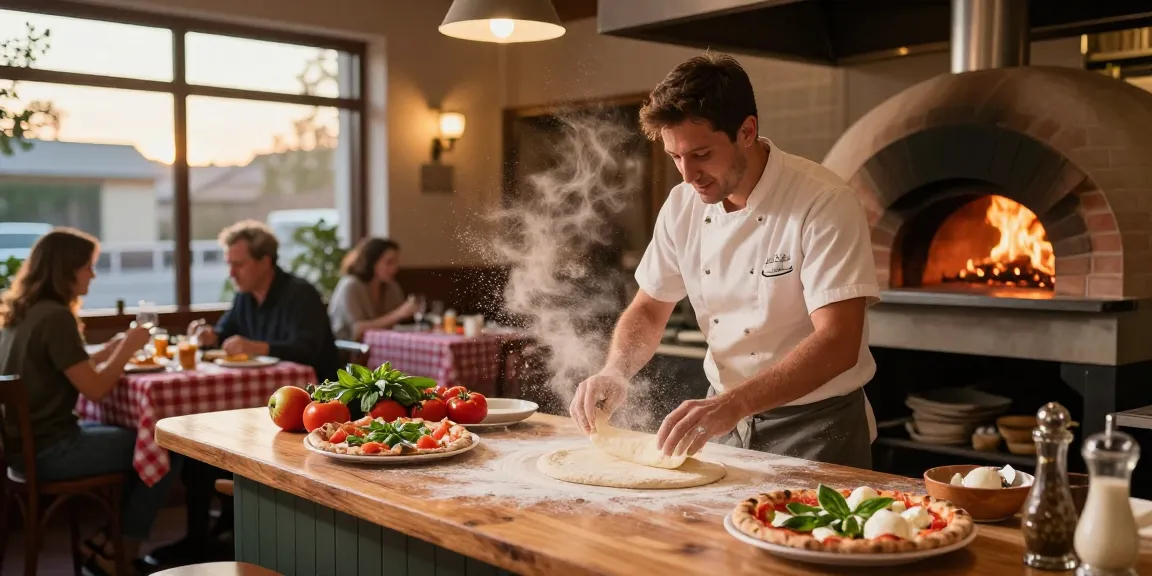
Understanding PG Soft Ingredients in Italian Cuisine
In the world of Italian cuisine, the quality and freshness of ingredients play a vital role in the overall dining experience. One such integral element is the concept of pg soft, which emphasizes the importance of using fresh, high-quality components in crafting authentic dishes. As diners increasingly seek out artisanal and traditional flavors, understanding the significance of PG soft ingredients becomes essential for both chefs and home cooks alike.
What are PG Soft Ingredients?
PG soft ingredients refer to a specific category of food components known for their quality and flavor. These ingredients are often fresh, minimally processed, and sourced from reputable suppliers. In Italian cooking, PG soft components can include vibrant vegetables, aromatic herbs, high-quality olive oil, and traditional cheeses. The term encapsulates the philosophy of prioritizing freshness and authenticity, bringing authentic Italian dishes to life.
The Role of Fresh Ingredients in Italian Dishes
Italian cuisine is celebrated for its simple yet robust flavors, which are largely derived from fresh ingredients. The use of seasonal produce not only enhances the taste of the dish but also ensures that the meals are nutritious. Herbs like basil, parsley, and oregano are staples in Italian kitchens, serving as a foundation for myriad sauces and marinades. Moreover, traditional items like San Marzano tomatoes and Parmigiano-Reggiano cheese exemplify PG soft ingredients that provide depth and richness in many recipes.
How to Select Quality Ingredients for Authentic Flavor
When shopping for ingredients, look for items that are organic, locally sourced, or from trusted regional suppliers. Buying in-season produces often guarantees better taste and texture. A simple strategy is to visit local farmer’s markets, where you can find fresh vegetables, fruits, and herbs grown without harsh chemicals. Always read labels when purchasing packaged goods to avoid preservatives and artificial additives, ensuring that your cooking stays true to authentic Italian principles.
Creating Authentic Italian Pizzas with PG Soft
Crafting the perfect Italian pizza goes beyond just the crust; it requires attention to each ingredient and how they come together. When embracing the philosophy of PG soft, each component can elevate your pizza to new heights.
Key Components of Italian Pizza
Italian pizza is built on three fundamental pillars: the dough, the sauce, and the toppings. A high-quality dough starts with refined flour, water, yeast, and salt, kneaded until it reaches a soft and elastic texture. Then comes the sauce, traditionally a blend of San Marzano tomatoes, olive oil, and sea salt. Finally, the toppings—whether fresh mozzarella or seasonal vegetables—should be chosen carefully, emphasizing freshness and flavor.
Techniques for Perfect Pizza Dough
The ideal pizza dough requires patience and practice. Start with a simple recipe, allowing the dough to rise slowly—ideally, overnight—at cooler temperatures. This not only develops flavor but also improves the dough’s workability. When rolling out the dough, leave the edges slightly thicker to create a crust that holds the toppings without becoming soggy.
How to Choose the Best Toppings for Your Pizza
Choosing the right toppings can make or break your pizza. Opt for fresh and seasonal ingredients, such as heirloom tomatoes in summer or mushrooms in autumn. Experiment with different cheeses beyond the classic mozzarella, incorporating burrata or gorgonzola for added flavor. Don’t forget to include fresh herbs post-baking for a pop of flavor and color.
Pairing PG Soft Ingredients with Pasta Dishes
Pasta is another cornerstone of Italian cuisine that beautifully showcases the role of PG soft ingredients. From simple spaghetti to rich lasagna, the right components enhance every bite.
Essential Ingredients for Classic Pasta Sauces
The heart of any pasta dish lies in its sauce. A classic marinara is crafted from just a few ingredients—ripe tomatoes, garlic, olive oil, and fresh basil—each one adding a layer of flavor. For cream-based sauces, using high-quality cream or ricotta will elevate the dish, providing a rich and smooth texture.
Creating Flavorful Pasta Dishes with Fresh Ingredients
Consider incorporating seasonal vegetables into your pasta dishes. Asparagus or zucchini can easily be sautéed and tossed with pasta for a delightful spring dish. For heartier options, add proteins like grilled chicken or shrimp, again ensuring these are fresh and sustainably sourced.
Tips for Cooking Pasta to Perfection
The perfect pasta is al dente—firm to the bite without being hard. Start cooking in generously salted boiling water and remember to reserve some pasta water before draining. This starchy liquid can be added back into the sauce to enhance its creaminess and help the sauce adhere to the pasta more effectively.
Enhancing the Dining Experience with PG Soft Beverages
No Italian meal is complete without a selection of beverages that harmonize with the food. Choosing the right drinks can elevate the dining experience significantly.
Best Wine Pairings for Pizza and Pasta
Wine is a traditional accompaniment to Italian dining, and the choice of wine can complement the flavors of both pizza and pasta beautifully. For tomato-based pizzas, a medium-bodied Chianti works well, while creamy pasta dishes pair exquisitely with a crisp Pinot Grigio. Always consider the weight and flavor intensity of the dish when selecting your wine.
Non-Alcoholic Options to Complement Your Meal
For those who prefer non-alcoholic options, consider offering Italian sodas or a house-made lemonade with fresh herbs. These refreshing beverages not only cleanse the palate but also add a fun twist to the meal.
Art of Mixing Traditional Italian Aperitifs
Aperitifs play an essential role in Italian culture, often enjoyed before meals to stimulate the appetite. Classic examples include Aperol Spritz or Negroni, which combine aromatic bitters with refreshing citrus notes. Experimenting with homemade infusions can add a personal touch to your aperitif offerings.
Trends in Italian Dining for 2026 and Beyond
The landscape of Italian dining is constantly evolving, with trends shifting towards sustainability and innovative ingredients. Staying ahead of these trends not only keeps your offerings fresh but also caters to a growing audience of environmentally conscious diners.
Emerging Ingredients in Modern Italian Cuisine
As diners explore new flavors, ingredients such as quinoa, farro, or even alternative proteins are making their way into modern Italian dishes. These elements can be seamlessly integrated into traditional recipes, providing a modern twist while still honoring the essence of Italian cooking.
Sustainable Practices in Italian Cooking
Sustainability is more than a trend; it’s becoming an integral part of dining culture. Emphasizing locally sourced ingredients and reducing food waste are critical practices. Consider adopting a farm-to-table philosophy in your menu, where you highlight the farms or producers from which your ingredients are sourced.
Future of Dining Experiences in Pizzerias
The pizzeria of the future is likely to embrace technology and personalization, allowing customers to customize their meals with ease. Innovations like online ordering systems, QR codes for menus, and even augmented reality experiences may enhance the dining journey.
What are the Benefits of PG Soft Ingredients?
Utilizing PG soft ingredients ensures that your dishes are not only flavorful but also nutritious. Fresh produce retains its vitamins, and high-quality grains provide necessary dietary fibers, making meals more wholesome.
How Do PG Soft Ingredients Impact Flavor?
Flavor is inherently linked to the freshness of the ingredients. The vibrant taste of vine-ripened tomatoes or the distinct aroma of freshly picked basil cannot be replicated with shelf-stable items. This impact on flavor is crucial for anyone aiming to deliver an authentic Italian dining experience.
Why Choose Authenticity in Ingredient Selection?
By choosing authentic ingredients, chefs demonstrate respect for culinary traditions while appealing to a discerning clientele. This commitment to quality not only enhances flavor but also builds trust and loyalty among diners.
Frequently Asked Questions about PG Soft Ingredients
As chefs and home cooks explore the world of PG soft ingredients, several questions arise about their integration into everyday cooking. Understanding their benefits, sourcing, and application can empower anyone to create Italian dishes with confidence.
What Makes PG Soft Special in Italian Cuisine?
The uniqueness of PG soft ingredients lies in their ability to encapsulate the essence of Italian cooking—simplicity, freshness, and quality. Each ingredient tells a story of its origin, connecting diners to the rich culinary history of Italy.
How Can I Use PG Soft at Home?
Incorporating PG soft ingredients into your cooking at home involves sourcing high-quality products and trying new recipes. Consider starting with simple dishes that showcase fresh produce, such as bruschetta or a classic caprese salad.
Where Can I Find PG Soft Ingredients?
Look for local farmer’s markets, specialty grocery stores, or artisanal producers to source PG soft ingredients. Building relationships with local growers can also provide access to seasonal and unique items that enhance your culinary repertoire.

