
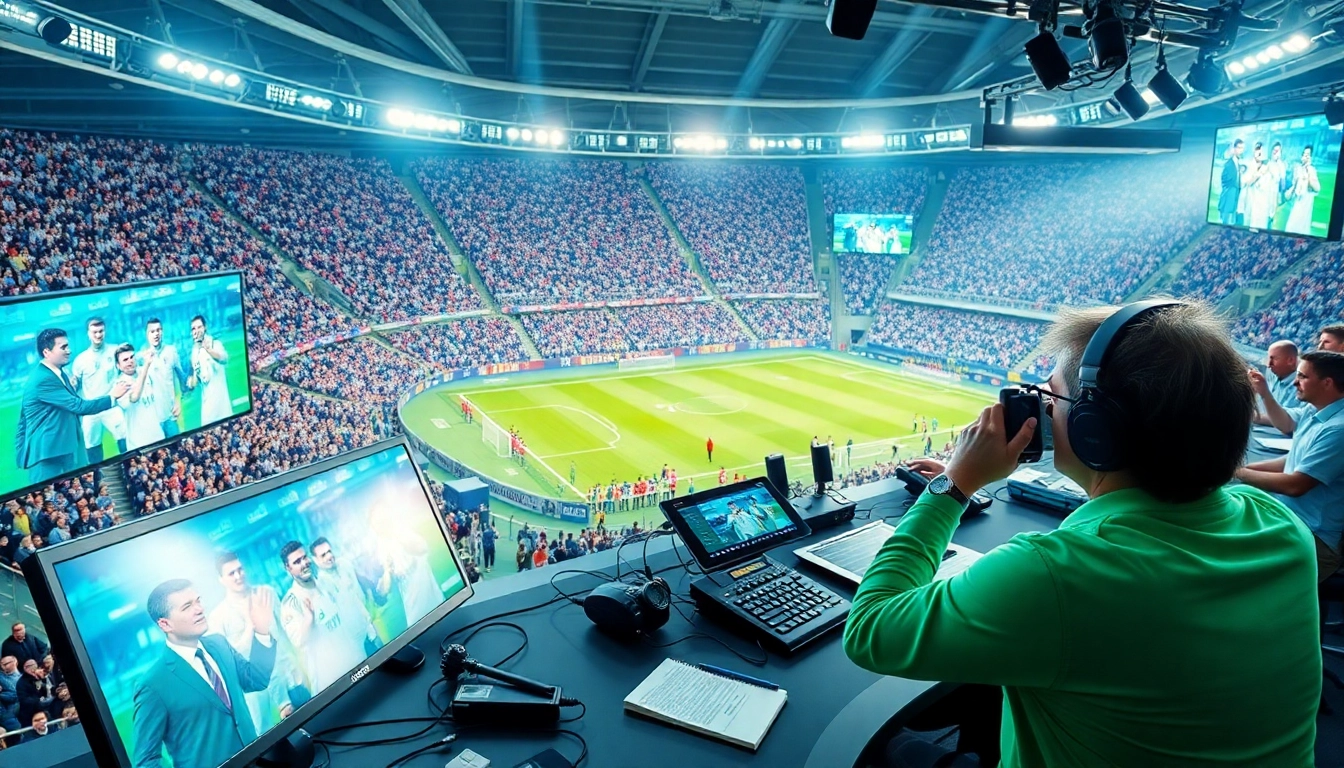
Understanding the Essentials of Sports Broadcasting
Defining Sports Broadcasting
Sports Broadcasting is the specialized field of communication that focuses on covering, reporting, and analyzing live sports events. It encompasses a variety of media platforms, including television, radio, and digital services. This sector plays a crucial role in connecting fans with their favorite sports through play-by-play commentary, expert analysis, and behind-the-scenes insights. As the industry evolves, the integration of advanced technologies and methods has transformed the way audiences consume sports content. To delve deeper into this fascinating field, many are turning to resources like Sports Broadcasting for guidance and expertise.
The Importance of the Audience
Understanding the audience is pivotal in sports broadcasting. Broadcasters must comprehend the demographics of their viewers, including age, gender, location, and interests, to tailor content effectively. Engaging the audience requires a delicate balance of delivering relevant information while fostering an emotional connection. Feedback mechanisms such as social media interactions and viewer ratings play a significant role in shaping broadcasting strategies. With the rise of niche sports and diverse viewing preferences, audience insight becomes increasingly vital for creating compelling content.
Core Skills Needed for Success
To succeed in the dynamic world of sports broadcasting, professionals must possess a blend of skills. These include:
- Excellent Communication: Clarity and engagement in verbal and written forms are foundational.
- Analytical Thinking: Understanding game strategies and statistics helps in delivering insightful commentary.
- Technical Proficiency: Familiarity with broadcasting equipment and software is necessary.
- Adaptability: Being able to handle unforeseen circumstances during live broadcasts is essential.
- Passion for Sports: A genuine interest in sports fuels enthusiasm and authenticity in presentations.
Technological Innovations in Sports Broadcasting
Impact of HD and 4K Technologies
The technological advancements in broadcasting, particularly the transition from standard to high-definition (HD) and ultra-high-definition (4K), have revolutionized the viewing experience. HD cameras provide sharper images and better audio quality, allowing fans to appreciate the nuances of gameplay like never before. In addition to enhancing visual clarity, these technologies facilitate advanced graphics and replays, enriching the narrative by providing context and depth to the sports narratives unfolding on screen.
Role of Analytics in Broadcasting
Analytics has become an integral component of modern sports broadcasting. Broadcasters use data analytics not only to enhance commentary but also to engage the audience by presenting insightful statistics and performance metrics in real time. This data-driven approach has enabled broadcasters to dive deeper into player performances, team strategies, and historical comparisons, fostering a richer understanding of the game and enhancing viewer engagement.
Emergence of Streaming Services
The rise of streaming services has significantly altered the landscape of sports broadcasting. Platforms offer on-demand content that allows viewers to consume sports when and how they want. This flexibility has triggered a shift from traditional cable viewing to online streaming, making sports accessible to a broader audience. Furthermore, many streaming services provide interactive features such as multiple camera angles and personalized commentary options, which transform passive viewership into an active engagement experience.
Crafting Compelling Sports Commentary
Techniques for Engaging Commentary
Creating captivating sports commentary is an art that requires practice and skill. Effective commentators often utilize storytelling techniques to draw viewers in, presenting the sport not merely as a series of plays but as a narrative filled with emotion and drama. Techniques include using vivid language, varying vocal tone and pacing, and building suspense during critical moments of the game. Incorporating personal anecdotes can also add a unique flair, making the commentary more relatable and enjoyable.
The Balance of Information and Entertainment
Successful sports commentary should strike a balance between providing informative insights and entertaining the audience. Commentators should engage viewers with relevant statistics and context while ensuring the delivery is lively and animated. This blend keeps the audience informed without detracting from the enjoyment of the event. Striking such a balance requires deep knowledge of the sport, the ability to read the audience, and a dynamic delivery style.
Building a Unique Personal Brand
In a competitive industry, developing a unique personal brand is essential for broadcasters. This encompasses everything from a distinctive communication style to a recognizable persona that resonates with the audience. Broadcasters can cultivate their brand by sharing their insights and experiences on social media, engaging in public speaking, and contributing to discussions around their sports expertise. A strong personal brand not only attracts viewers but also opens doors for career advancement and collaboration.
Navigating Challenges in Sports Broadcasting
Dealing with Live Broadcast Issues
Live broadcasting comes with its unique set of challenges, from unexpected technical difficulties to unanticipated events in the game. Broadcasters must be adept at thinking on their feet, employing crisis management skills when issues arise. Preparation, such as running multiple rehearsals and having contingency plans, can mitigate some risks. Additionally, maintaining composure during these situations and effectively communicating any changes to the audience are vital for maintaining viewer trust and engagement.
Managing Audience Expectations
In today’s era of instant information, managing audience expectations is crucial for broadcasters. Viewers often expect thorough and immediate updates, analysis, and insights. Thus, broadcasters should strive for transparency, keeping viewers informed about delays or changes and offering context to enhance understanding. Engaging with the audience through social media or interactive platforms can also help manage expectations and build a community around the shared experience of sports viewing.
Handling Controversies and Sensitivity
Sports often intertwine with broader social issues, leading to controversies that broadcasters must navigate carefully. Sensitivity in addressing topics such as player conduct, political statements, or societal issues is essential. Broadcasters should aim for balanced reporting, presenting diverse viewpoints while remaining respectful. Developing guidelines and training in sensitivity can prepare broadcasters to handle these situations with grace and professionalism, fostering a respectful viewing environment.
Future Trends in Sports Broadcasting
The Rise of Augmented and Virtual Reality
As technology continues to evolve, augmented reality (AR) and virtual reality (VR) are poised to take sports broadcasting to the next level. AR can enhance viewers’ understanding of the game by overlaying relevant statistics and graphics in real time, while VR can transport viewers into the action, providing immersive experiences that traditional media cannot replicate. These technologies offer broadcasters new tools to engage fans, making them feel like an integral part of the sports experience.
Shifts Towards Personalized Viewing Experiences
Future advances will likely push for more personalized viewing options. With innovations in AI and machine learning, broadcasters can tailor content to individual viewer preferences, offering customized commentary and highlight reels based on what users want to see. This shift not only enhances viewer satisfaction but can also increase engagement and loyalty among audiences, leading to a more passionate fan base.
Globalization of Sports Broadcasting
Globalization continues to significantly influence sports broadcasting, allowing fans worldwide to access sports content via international broadcasts and streaming platforms. This trend has increased exposure for lesser-known sports and allowed local leagues to expand their audience. Additionally, broadcasters must account for diverse cultural perspectives and preferences, making inclusivity a fundamental aspect of their strategy. As sports radiate across borders, the industry must evolve diplomatically and creatively to meet the demands of a global audience.
Frequently Asked Questions
What skills are essential for a career in sports broadcasting?
Key skills for sports broadcasting include excellent communication, analytical thinking, technical proficiency, adaptability, and a passion for sports.
How has technology impacted sports broadcasting?
Technology has transformed sports broadcasting through HD/4K visuals, improved analytics, and the rise of streaming services, enhancing viewer experience.
What are the challenges faced by sports broadcasters?
Challenges include managing live broadcast issues, audience expectations, and handling controversies with sensitivity and professionalism.
What is personalized viewing in sports broadcasting?
Personalized viewing allows audiences to customize their sports content based on preferences, enhancing engagement and satisfaction with broadcasts.
What role does commentary play in sports broadcasting?
Commentary enhances the viewing experience by providing insights, excitement, and a narrative that connects viewers emotionally to the sport.